GBT Flowcontrol®
EMS Electro Medical Systems · source
Overview
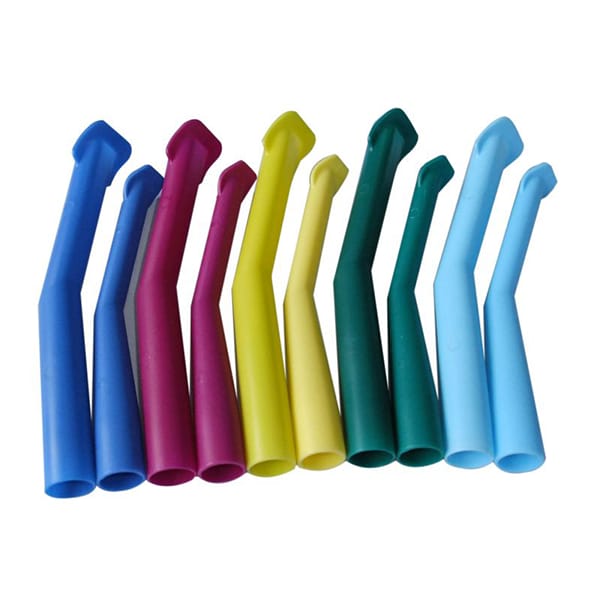
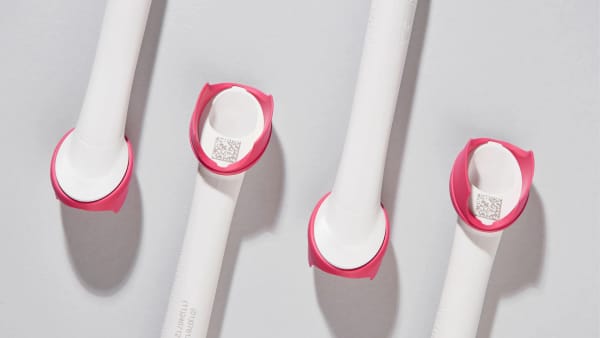
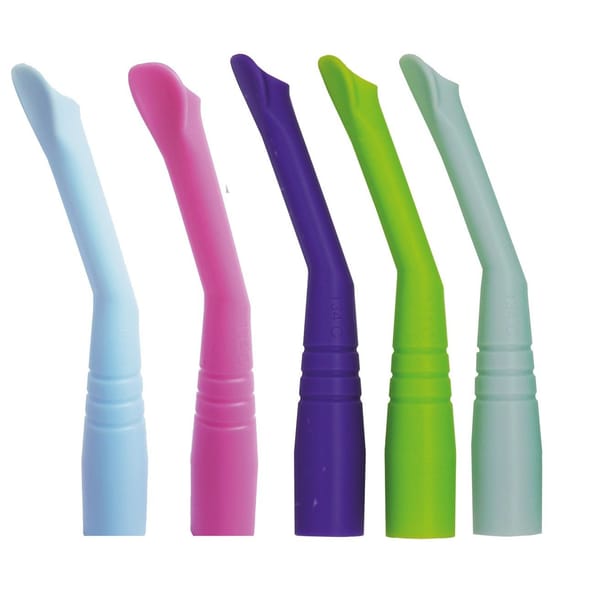
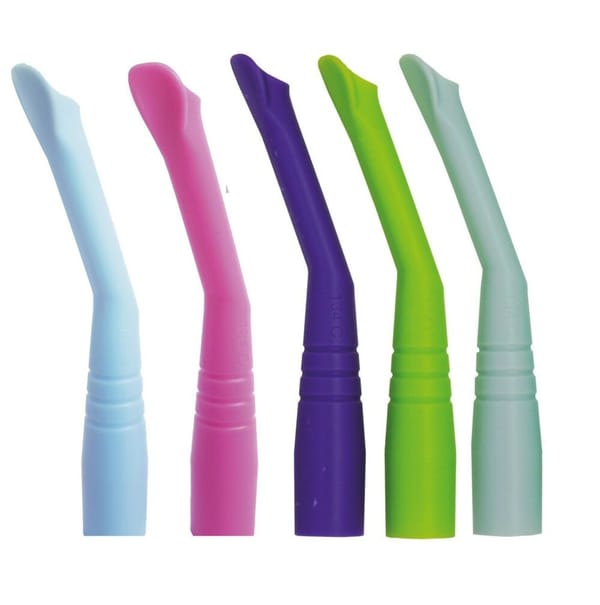
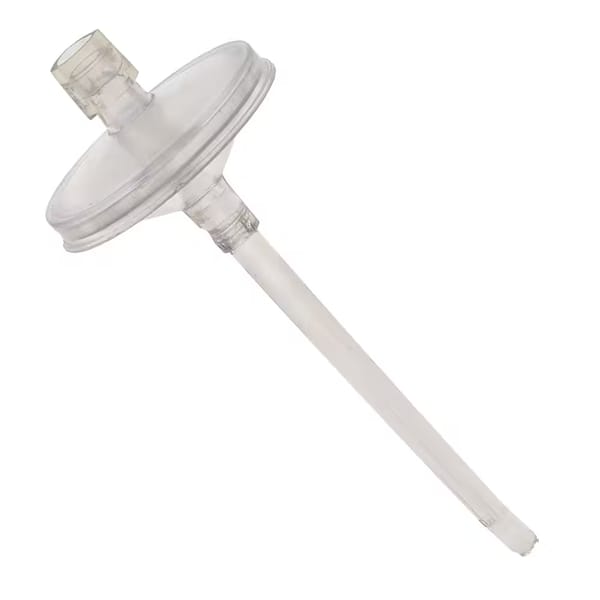
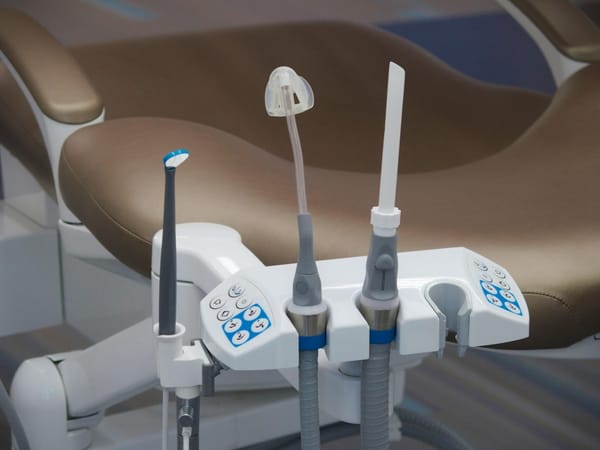
The GBT Flowcontrol® is an advanced suction designed to significantly reduce aerosols and splatter
Traditional cannulas are not fully effective at capturing aerosols produced during dental treatments. The GBT Flowcontrol® was created to enhance safety by trapping aerosols at the source, minimizing airborne particles in the operatory.
FAQ
How should you use the GBT flowcontrol® during a GBT treatment?
Use the GBT flowcontrol® like a toothbrush around the tooth, placing the handpiece inside the cannula. This technique ensures optimal aerosol capture during AIRFLOW® MAX or other GBT-related procedures.
How is it different from traditional cannulas?
Unlike standard cannulas designed for high-speed turbines, the GBT flowcontrol® Cannula creates a focused suction zone directly where aerosol is generated, offering superior control and nearly aerosol-free treatment conditions.
How should the GBT Flowcontrol® be cleaned and sterilized?
- Always separate the body and the skirt before reprocessing.
- Compatible with sterilization at 135°C (275°F) in an autoclave.
Proper separation ensures effective and safe reprocessing.
What materials is the GBT Flowcontrol® Cannula made from?
- Body: PP (Polypropylene).
- Skirt: TPE (Thermoplastic Elastomer). These materials provide durability and comfort while allowing for repeated sterilization.
How many times can the GBT flowcontrol® be reused?
- Body: Up to 250 reprocessing cycles
- Skirt: Up to 250 reprocessing cycles
Reminder: Always disassemble the skirt from the body before sterilization to maintain product integrity and hygiene standards.
Product Information
| Manufacturer | EMS Electro Medical Systems |
|---|---|
| Made In | Nyon, Switzerland |
| Body Material | PP (Polypropylene) |
| Skirt Material | TPE (Thermoplastic Elastomer) |
| Primary Function | High-speed suction designed to control aerosol and splatter |
| Body Reprocessing Cycles | Up to 250 |
| Skirt Reprocessing Cycles | Up to 250 |
| Sterilization Temperature | 135°C (275°F) |